

10 Key Veterinarian Job Responsibilities: Duties, Daily Tasks & Career Insights
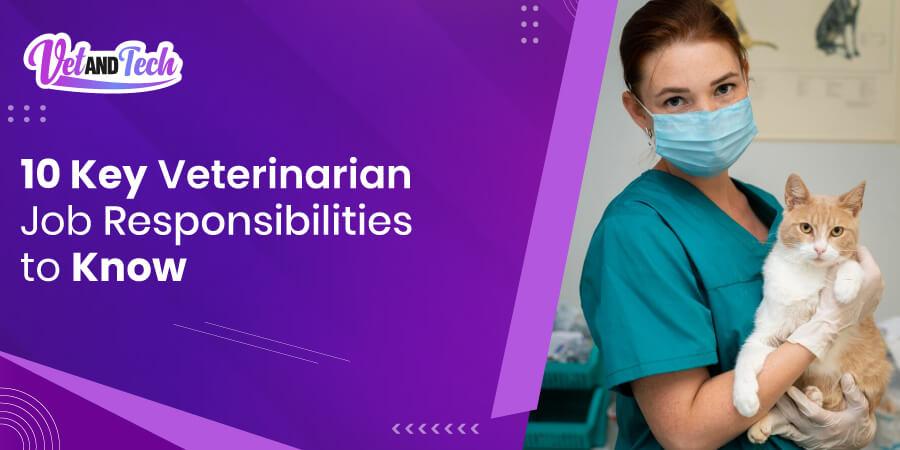
Veterinarians play a critical role in animal healthcare, public health, and client education. From routine wellness exams to life-saving surgeries, their responsibilities extend far beyond treating sick pets.
Veterinarian job responsibilities include diagnosing and treating illnesses, performing surgeries, providing preventive care, educating pet owners, maintaining medical records, and ensuring public health safety. Daily tasks range from clinical exams and diagnostics to emergency care and client communication.
What Does a Veterinarian Do?
A veterinarian is a licensed medical professional who diagnoses, treats, and prevents diseases in animals while also supporting public health and food safety.
The role goes beyond clinics. Veterinarians work in:
- Private practices and hospitals
- Farms and livestock facilities
- Government and public health agencies
- Research institutions and universities
In modern veterinary medicine, responsibilities now also include telemedicine consultations, digital diagnostics, and preventive wellness planning.
10 Core Veterinarian Job Responsibilities
These are the key veterinarian job responsibilities performed in day-to-day clinical practice.
1. Preventive Care and Routine Exams
Preventive care is the foundation of modern veterinary medicine. Vet responsibilities in this area include:
- Conducting comprehensive physical examinations
- Administering core and lifestyle vaccines
- Performing annual dental health assessments
- Screening for early signs of obesity, arthritis, diabetes, or organ disease
- Designing individual wellness plans based on age, breed, and lifestyle
Annual wellness exams allow veterinarians to catch conditions like kidney disease or dental deterioration before they become costly or life-threatening.
2. Diagnosing Animal Health Issues
Accurate diagnosis is one of the most critical job duties for veterinarians. This requires both clinical skill and modern technology:
- Analyzing symptoms, behavioral changes, and patient histories
- Ordering and interpreting bloodwork, urinalysis, and biopsies
- Using imaging tools such as digital X-rays, ultrasound, CT scans, and MRI
- Leveraging AI-assisted diagnostic platforms for faster, more accurate reads
AI-powered diagnostic tools are increasingly being adopted in 2025-2026, enabling vets to analyze imaging results and flag abnormalities with greater speed and accuracy.
3. Treatment and Medical Care
Once a diagnosis is made, veterinarians develop and implement comprehensive treatment plans:
- Prescribing and dispensing medications, including antibiotics, anti-parasitics, and pain management
- Managing chronic conditions such as diabetes, hypothyroidism, and heart disease
- Treating wounds, infections, and acute illnesses
- Coordinating referrals to specialists when needed
- Scheduling and overseeing follow-up care to track recovery
4. Surgical Procedures
Surgery is a major component of veterinarian job responsibilities, especially in clinical and emergency settings:
- Routine soft tissue surgeries including spay, neuter, and mass removals
- Emergency procedures such as gastric dilatation-volvulus (bloat) correction or intestinal obstruction removal
- Orthopedic surgeries including fracture repairs and ligament reconstruction
- Ophthalmic, cardiovascular, or neurological surgeries (performed by specialists)
- Post-surgical monitoring and pain management protocols
5. Emergency and Critical Care
Veterinarians are frequently called upon to manage urgent and life-threatening situations:
- Stabilizing trauma patients from vehicle accidents or animal attacks
- Performing resuscitation and emergency triage
- Managing toxin ingestion, respiratory distress, or severe blood loss
- Providing intensive care monitoring for critical inpatients
In busy clinics, vets may see 15 to 30 patients per day, balancing scheduled appointments with walk-in emergencies.
6. Client Education and Communication
Strong communication is one of the most underrated vet responsibilities. Educating pet owners directly affects treatment outcomes:
- Explaining diagnoses and treatment plans in clear, accessible language
- Guiding pet owners on nutrition, exercise, and preventive care
- Discussing end-of-life options, palliative care, and euthanasia with empathy
- Providing written discharge summaries and medication instructions
- Conducting telehealth consultations for follow-ups and minor concerns
7. Medical Record Keeping
Accurate, up-to-date records are essential for continuity of care and legal compliance:
- Maintaining complete patient histories including diagnoses, treatments, and outcomes
- Tracking vaccination schedules and prescription records
- Using cloud-based practice management software for digital documentation
- Generating clinical notes, lab reports, and referral letters
- Ensuring HIPAA-equivalent data protection for patient records
- Use digital tools for veterinary documentation
8. Anesthesia and Surgical Monitoring
Safe sedation and anesthesia management is a critical duty for any practicing veterinarian:
- Calculating species- and weight-appropriate anesthesia dosages
- Monitoring ECG, oxygen saturation, temperature, and blood pressure throughout procedures
- Adjusting sedation levels in real time based on patient response
- Overseeing safe recovery from anesthesia post-procedure
9. Animal Welfare and Advocacy
Beyond clinical duties, veterinarians serve as ethical advocates for the animals in their care:
- Identifying and reporting suspected animal abuse or neglect to authorities
- Supporting animal rescue, rehabilitation, and adoption programs
- Promoting humane treatment standards in shelters and agricultural settings
- Participating in wildlife conservation and environmental health initiatives
10. Public Health and Food Safety
This is one of the most overlooked but critically important areas of vet responsibilities:
- Monitoring and controlling zoonotic diseases that can spread from animals to humans (e.g., rabies, salmonella, avian flu)
- Inspecting livestock and poultry for disease and medication compliance
- Working with public health agencies during outbreak investigations
- Ensuring compliance with food safety regulations in meat, dairy, and egg production
- Contributing to biosurveillance programs at local, national, and global levels
What Are the Daily Tasks of a Veterinarian?
Daily tasks vary depending on the workplace, private clinic, emergency hospital, farm, research lab, or government agency. A typical day in a companion animal practice might include:
- Reviewing patient files and lab results from the previous day
- Conducting morning patient rounds for hospitalized animals
- Performing physical exams and wellness appointments
- Completing surgeries or dental procedures
- Responding to urgent or emergency cases as they arise
In large-animal or mixed practice, daily tasks may also include farm visits, herd health assessments, reproduction services, and long-distance travel between sites.
Veterinarian Job Description and Requirements (2026)
To become a veterinarian, professionals typically need:
- Doctor of Veterinary Medicine (DVM/VMD) degree
- Veterinary license (region-specific)
- Clinical training or internships
- Strong communication and decision-making skills
Modern veterinarians are also expected to be comfortable with telemedicine platforms and digital diagnostic tools.
Extra Responsibilities of a Veterinarian
Beyond the core 10 responsibilities, there are several additional duties that modern veterinarians take on depending on their practice type and career stage:
- Business management: Many private practice vets handle scheduling, inventory, staff supervision, and financial planning.
- Mentoring: Senior vets often supervise new graduates, vet students, and vet technicians.
- Continuing education: Vets are required to complete ongoing CE credits to maintain licensure, keeping pace with evolving medicine and technology. Watch our CE veterinary webinars (upcoming and on-demand).
- Research and publication: Academic and research veterinarians design studies, write scientific papers, and contribute to evidence-based medicine.
- Telemedicine triage: With digital platforms growing fast, vets are increasingly handling remote consultations and virtual triage assessments.
- Inventory and pharmaceutical management: Vets are responsible for ordering, tracking, and safely storing controlled substances and medical supplies.
- Disaster response: Government and military vets participate in emergency response for natural disasters, pandemics, or bioterrorism preparedness.
Veterinarian vs. Veterinary Technician: What Is the Difference?
Understanding the distinction between a veterinarian and a vet tech is essential for anyone entering the field:
|
Veterinarian |
Veterinary Technician |
|
Diagnoses conditions and diseases |
Assists with diagnostics under vet supervision |
|
Performs surgeries independently |
Assists during surgical procedures |
|
Creates and approves treatment plans |
Administers medications and vaccines |
|
Prescribes controlled medications |
Handles lab work, imaging, and monitoring |
|
Avg. salary: $140,270/year |
Avg. salary: $46,280/year |
Veterinary assistants also play a crucial support role in clinics, and understanding their veterinary assistant responsibilities helps clarify how they contribute to animal care, administrative tasks, and assisting during procedures.
Latest Trends Shaping Veterinarian Responsibilities in 2026
The veterinary profession is evolving faster than ever. Here are the key trends redefining what veterinarians do:
AI-Assisted Diagnostics
AI tools are now being used to analyze radiographs, flag abnormalities in lab results, and support clinical decision-making. This allows vets to reduce diagnostic time and catch conditions that might otherwise be missed.
Telemedicine and Remote Consultations
Telehealth for pets is mainstream. Vets are conducting virtual triage, remote follow-ups, and second-opinion consultations. Clinics seeking professionals comfortable with digital communication platforms are increasingly in demand.
Wearable and Remote Patient Monitoring
Smart collars and implanted sensors now track heart rate, activity, sleep patterns, and glucose levels in real time. Veterinarians are integrating this continuous data into wellness assessments and chronic disease management.
Preventive and Personalized Medicine
The industry is shifting from reactive care to proactive wellness. Vets are building customized preventive plans based on genetics, lifestyle, and risk factors rather than waiting for illness to appear.
Expanding Role of AI in Documentation
AI scribing tools now automatically generate SOAP notes during consultations, freeing up time for patient care. Platforms that automate clinical documentation are being rapidly adopted across both solo practices and large hospital groups.
Workforce Diversification and Relief Veterinarians
Staffing models are changing. Relief (locum) vets are filling temporary gaps in clinics across the U.S., while remote veterinary consultants are supporting rural and underserved communities that lack on-site professionals.
Skills Required to Fulfill Veterinarian Job Responsibilities
To successfully handle the full range of vet responsibilities in 2026, professionals need:
- Clinical and surgical expertise across multiple species
- Advanced diagnostic reasoning and pattern recognition
- Clear, empathetic communication with pet owners and colleagues
- Emotional resilience for high-pressure and grief-adjacent situations
- Proficiency with digital diagnostic tools, AI platforms, and telehealth systems
- Strong time management to balance scheduled and emergency caseloads
- Business literacy for those in private practice ownership or management
Veterinarian Career Outlook and Salary in 2026
The veterinarian career outlook is exceptionally strong heading into the latter half of the decade:
- Job growth: 10% projected from 2024 to 2034 (BLS), outpacing most healthcare roles
- Average salary: $140,270 per year nationally (BLS)
- Entry-level salary: Now exceeds $100,000 for the first time in history
- Mid-career salary: Approaching $155,000 to $160,000
- Senior/specialist salary: Expected to break through $200,000
- Top-paying states: Massachusetts ($162,030), California ($158,610), Hawaii ($157,770)
- Highest-paying specialty: Veterinary anesthesiology (~$345,000 annually)
Companion animal practice continues to dominate, with 72.6% of new graduates entering small animal medicine. Demand is being driven by rising pet ownership, aging pet populations, and expanded treatment options now comparable to human healthcare, including cancer treatment and organ transplants.
Conclusion
Veterinarian job responsibilities go far beyond treating sick animals. The full scope of the job of a vet includes diagnosis, surgery, emergency care, client communication, public health protection, and continuous education — all increasingly powered by technology.
In 2026, the role is more dynamic than ever. AI, telemedicine, and personalized medicine are reshaping what veterinarians do and how they do it. For those entering or advancing in this field, understanding these vet responsibilities is the foundation of a rewarding, impactful career.
Frequently Asked Questions
What are the responsibilities of a veterinarian?
The core responsibilities of a veterinarian include diagnosing and treating animal illnesses and injuries, performing surgeries, providing preventive care, educating pet owners, maintaining medical records, managing anesthesia, advocating for animal welfare, and protecting public health through disease surveillance and food safety monitoring.
What are some extra responsibilities of a veterinarian?
Beyond clinical work, extra responsibilities of a veterinarian may include managing a practice or clinic, mentoring junior staff and vet students, conducting research, participating in public health responses, handling telehealth consultations, managing pharmaceutical inventory, contributing to continuing education, and engaging in wildlife or disaster response programs.
What are the daily tasks of a veterinarian?
The daily tasks of a veterinarian typically include reviewing patient records and lab results, conducting physical exams and wellness visits, performing surgeries or dental procedures, managing emergency cases.
What is the vet job description in simple terms?
A vet job description covers a licensed professional who prevents, diagnoses, and treats diseases and injuries in animals. Vets may work with pets, livestock, wildlife, or laboratory animals and typically work in clinics, hospitals, farms, research labs, or public agencies.
What do veterinarians do outside of clinical practice?
Outside of clinical work, veterinarians contribute to public health policy, food safety inspections, academic research, pharmaceutical development, military service, wildlife conservation, and disaster preparedness. Non-clinical vet careers are growing rapidly and offer diverse opportunities for those with a DVM degree.
Is the veterinarian job in demand in 2026?
Yes, very much so. The BLS projects 10% job growth for veterinarians from 2024 to 2034, and Indeed ranked veterinarian as the #1 Best Job for 2025. Rising pet ownership, expanded treatment options, and growing public health needs are all fueling strong, sustained demand for qualified veterinary professionals.

%20VAT%20Blog%20-%20How%20to%20Become%20a%20Relief%20Veterinarian-thumbnail-1788963604.webp&w=3840&q=75)