
How to Become a Wildlife Veterinarian: Career Path, Schools, Jobs & Requirements
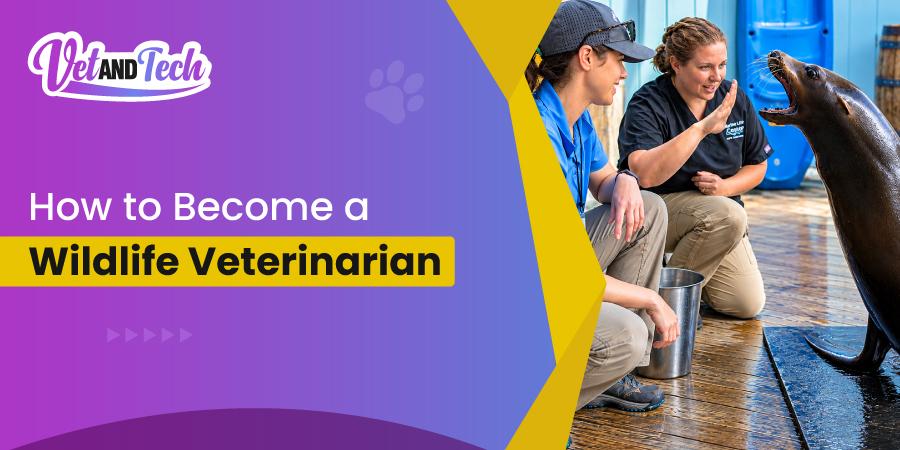
If you have always been drawn to wild animals but are unsure what it takes to turn that interest into a career, this guide explains the path to becoming a wildlife veterinarian. There is no separate entry-level degree specifically for wildlife veterinarians.
You generally earn a DVM first, then build wildlife-focused experience through externships, internships, research, rehabilitation work, or residency training.
Wildlife veterinary medicine includes several career paths, from free-ranging wildlife health and conservation to zoo medicine and wildlife rehabilitation. Below, we'll cover the education, licensing, hands-on experience, schools, training options, jobs, and salary information you need to understand the career path.
Wildlife Veterinarian Career Insights:
|
Education |
Bachelor's-level prerequisites + four-year DVM |
|
License |
NAVLE + state license |
|
Specialty |
Optional ACZM board certification |
|
Timeline |
About 8 to 12+ years from high school to a full wildlife veterinary role |
|
Wildlife vet average salary per annum |
Varies by role, employer, location, and experience |
What Is a Wildlife Veterinarian?
A wildlife veterinarian is a veterinary medical doctor who focuses on the health of non-domestic animals, including free-ranging wildlife, rehabilitating patients, and animals in zoos, aquariums, and conservation facilities.
A wildlife veterinarian isn’t like a companion animal vet. They are often treating a population or an ecosystem. Their job also requires cooperation with biologists, ecologists, and government agencies to monitor illness, manage species recovery, and respond to environmental concerns.
What Does a Wildlife Veterinarian Do?
Daily responsibilities vary by setting, but common duties include:
- Examining and treating injured, sick, or orphaned wild animals.
- Giving anesthesia and performing surgeries on wildlife when needed.
- Performing necropsies and tracking diseases in wild animal populations.
- Capturing, collaring, sampling, or vaccinating free-ranging animals for research and conservation projects.
- Conducting research and sharing findings with the public, conservation teams, or policymakers.
- Keeping case records and preparing reports for government agencies or nonprofit organizations.
- Helping zoos, aquariums, and wildlife agencies with nutrition, housing, preventive care, and animal health.
- Investigating diseases that can spread between wildlife, livestock, and people as part of One Health work.
What Types of Wildlife Veterinarians Are There?
The career path of wildlife veterinarians is broad. There are four major categories in this career, and veterinarians often move between them over time.
Here are the details.
|
Type |
Where They Work |
Main Focus |
Typical Training |
|
Free-Ranging Wildlife Veterinarian |
State or federal wildlife agencies and universities |
Disease surveillance, population health, wildlife health assessments, and policy support |
DVM with additional training in wildlife ecology, epidemiology, or a related field |
|
Zoo Veterinarian |
Zoos and aquariums |
Medical and surgical care for captive exotic and non-domestic species |
DVM followed by zoological medicine training. Some pursue ACZM board certification. |
|
Wildlife Rehabilitation Veterinarian |
Wildlife hospitals and rehabilitation centers |
Treating injured, orphaned, or sick wildlife with the goal of release |
DVM with wildlife rehabilitation experience. Some begin with a rehabilitation-focused internship. |
|
Conservation Veterinarian |
Conservation nonprofits, universities, and international organizations |
Species recovery, biodiversity, wildlife disease, and conservation programs |
DVM with additional training in areas such as ecology, epidemiology, or public health |
How to Become a Wildlife Veterinarian
To become a wildlife veterinarian, you must first meet the prerequisite course requirements of the veterinary schools to which you want to apply.
1. Complete Your Veterinary School Prerequisites
To apply to vet school, you must first complete the college-level courses that are required by the DVM schools. These usually consist of biology, general and organic chemistry, biochemistry, physics, and other science courses. Every vet school will have its own list; see the requirements for the vet schools you are interested in.
2. Apply to Vet School
After completing necessary coursework, you can begin applying to DVM programs. VMCAS is the centralized application service for veterinary schools, which is used by most veterinary schools in the United States. Experience in veterinary medicine, research, volunteering, or other engagements that reflect your interest in the field may also be a component of your application.
Admission is competitive, and applicants typically need strong academic records and substantial veterinary experience. Requirements and expectations vary by school, according to data gathered by the Association of American Veterinary Medical Colleges (AAVMC) of students who have been admitted.
3. Earn Your DVM
Once accepted into a DVM program, veterinary school typically takes four years to complete. During veterinary school, students study anatomy, physiology, diagnosis, surgery, and medicine across multiple species. For those planning to pursue wildlife medicine, try electives, rotations, research, and other opportunities related to wildlife or zoological medicine during your college years.
4. Pass the NAVLE Exam
After earning a DVM, you must meet the veterinary licensing requirements in the state where you plan to practice. In the United States, this generally includes passing the North American Veterinary Licensing Examination (NAVLE), along with meeting state-specific requirements.
5. Get Experience with Wildlife
During or after veterinary school, seek hands-on experience through externships, internships, rehabilitation programs, research projects, fieldwork, or volunteer opportunities involving wildlife.
6. Take Advanced Training or Board Certification
Board certification is generally not required to work as a wildlife veterinarian. However, some vets pursue additional training in zoological medicine or wildlife population health. The ACZM recognizes wildlife population health as a specialty. For those pursuing board certification, ACZM has specific postgraduate training and credentialing routes. Its current list of approved training programs includes a residency in wildlife population health at Cornell University.
Veterinary Schools With Wildlife Medicine Opportunities In USA
The wildlife veterinarian program is not an independent degree in the United States; you must first get a DVM and then find schools that have good programs in wildlife medicine, zoo medicine or conservation medicine. The following schools have wildlife-related courses, clinical programs, research, or postgraduate training.
|
School |
Notable Wildlife Strength |
|
Residency in Free-Ranging Wildlife Health: strong wildlife health faculty |
|
|
Karen C. Drayer, Wildlife Health Center; joint zoological medicine residency with San Diego Zoo Wildlife Alliance |
|
|
Zoological medicine service and wildlife caseload integrated into student rotations |
|
|
Multiple zoological and wildlife health residencies (Brookfield Zoo, Lincoln Park Zoo) |
|
|
Wildlife clinic and conservation medicine coursework |
|
|
Wildlife health and disease ecology research groups |
|
|
Strong exotics and wildlife elective offerings |
|
|
Wildlife and zoological medicine electives and research partnerships |
Due to the variable nature of the opportunities available from the schools, students should check each school's wildlife or zoological medicine faculty for current clinic access, electives, and residency spots prior to applying.
Wildlife Veterinary Programs & Training
Wildlife veterinarians work in clinical, research, conservation, government, and academic settings.
- Wildlife internships: Rotating internships at wildlife hospitals, such as the Wildlife Center of Virginia, give veterinarians hands-on experience with different wildlife species and medical cases.
- Zoological medicine residencies: These programs typically combine clinical work, teaching, and research and may prepare veterinarians for ACZM board certification.
- Continuing education: Conferences, courses, and professional organizations such as the American Association of Wildlife Veterinarians (AAWV) and Wildlife Disease Association (WDA) offer additional opportunities to learn and connect with others in the field. You can also earn RACE-approved CE credit hours with Vet and Tech live and on-demand webinars.
Wildlife Veterinarian Jobs
Open positions are commonly posted through the AAWV student and career board, the AAZV internship and residency listing, USAJobs.gov for federal roles, university career pages, and wildlife hospital or zoo employment pages.
Online veterinary job listing platforms like PAGO can also give veterinary professionals another place to explore wildlife veterinary opportunities. With verified profiles and skill assessments, candidates can give employers a clearer view of their qualifications and experience before the interview stage.
Skills Needed to Get a Wildlife Veterinarian Job
- Strong general veterinary medical and surgical skills across diverse species
- Comfort with anesthesia and handling of non-domestic and often dangerous animals
- Working knowledge of wildlife ecology, epidemiology, and population health concepts
- Research and scientific writing ability
- Physical stamina for fieldwork in remote or difficult conditions
- Clear communication for public education, agency reporting, and policy work
- Patience and adaptability, since wildlife cases are often unpredictable and resources are limited
How Much Does a Wildlife Veterinarian Make?
Because wildlife veterinarians are not a BLS tracked category, published salary figures vary widely by source, employer type, and region.
|
Source |
Reported Salary Figure |
|
$130,100 per year |
|
|
$163,000 per year |
|
|
$165,527 per year |
Wildlife veterinarian salaries can vary based on experience, location, employer, and type of role. Government, nonprofit, private, and research positions may offer different pay ranges. Your level of training and specialization can also affect earning potential.
Summary
Becoming a wildlife veterinarian typically requires undergraduate prerequisites, a DVM, veterinary licensure, and hands-on experience with wildlife. Depending on your career goals, you may also pursue internships, residencies, research, or specialty training in areas such as zoological medicine or wildlife population health.
FAQs
Do I need a special degree to become a wildlife veterinarian?
No. Wildlife veterinarians generally earn a DVM or equivalent veterinary degree before pursuing wildlife-focused training or experience. Wildlife expertise comes from electives, internships, residencies, or an additional graduate degree in a wildlife-related field, not a separate credential at the entry level.
How long does it take to become a wildlife veterinarian?
The basic path is typically about eight years after high school: approximately four years of undergraduate education followed by four years of veterinary school.
Some wildlife-focused roles require or strongly favor additional internships, residencies, research, or graduate training, which can extend the timeline to 9–12 years or more.
What is the difference between a zoo veterinarian and a wildlife veterinarian?
A zoo veterinarian treats captive, non-domestic animals in a zoo or aquarium setting. "Wildlife veterinarian" is a broader term that also includes free-ranging population health work, rehabilitation medicine, and conservation-focused roles.

%20VAT%20Blog%20-%20How%20to%20Become%20a%20Relief%20Veterinarian-thumbnail-1788963604.webp&w=3840&q=75)