




What Is Compassion Fatigue? A Veterinary Professional's Guide to Recognizing and Recovering From It
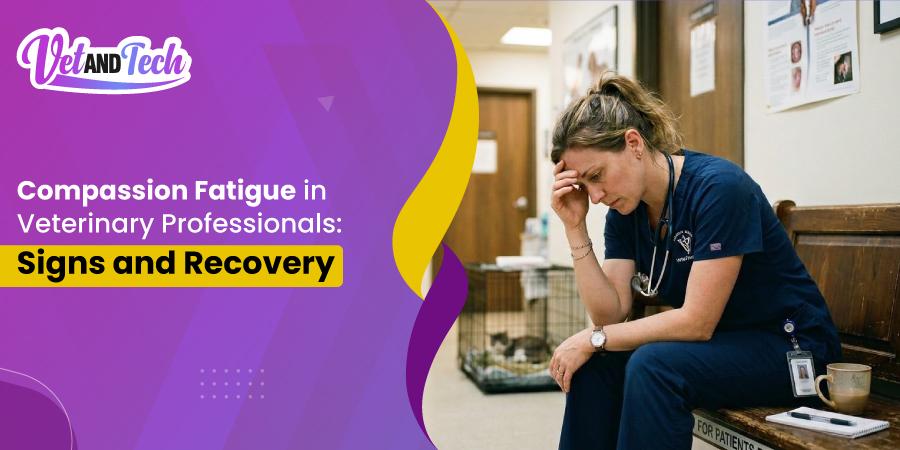
The life of a veterinary professional involves challenges that extend far beyond clinical duties. From managing the workload to giving care to the voiceless, veterinary staff goes through a lot in a day.
One of the most persistent challenges for veterinarians is compassion fatigue. The emotional weight of caring for patients and supporting pet owners through difficult decisions while managing the demands of a busy practice can gradually diminish the sense of purpose that first drew many professionals to the field.
Over time, this emotional strain may contribute to stress and disengagement. It can reduce job satisfaction and affect both personal well-being and professional performance.
In this article, we explore compassion fatigue and discuss how veterinary professionals can recognize its signs and begin recovering from its effects.
What is Compassion Fatigue?
Compassion fatigue is a state of physical, emotional, and psychological exhaustion that reduces a person's ability to empathize. It develops through repeated exposure to the trauma, grief, and suffering of others.
A report from the National Institutes of Health states that 58.9% of veterinary professionals in the United States suffer from compassion fatigue.
Veterinarians carry an emotional weight that most people don't see. They break hard news to overwhelmed pet owners. They carry the burden of euthanasia decisions and regularly witness the heartbreak that comes when finances stand between an animal and the care it needs. By the end of the day, that weight adds up.
How Does Compassion Fatigue Affect Veterinary Professionals?
Compassion fatigue is a daily reality for veterinarians. They walk into rooms where families are terrified, grieving, or desperate. They make life-and-death decisions under pressure. They perform euthanasia, sometimes on animals they have known for years. They face pet owners who cannot afford treatment and must navigate those impossible conversations with sensitivity. Eventually, carrying that emotional burden can take a serious toll.
Is Compassion Fatigue Similar to Burnout?
The simple answer is no. Compassion fatigue is more than burnout. While burnout creeps in from long duty hours and workplace stress, compassion fatigue is something that runs deeper.
It is the "emotional cost of caring."
However, compassion fatigue and burnout overlap. We can say that they feed each other, and from the outside they can look almost identical. While they often overlap, understanding the difference can help veterinary professionals address each challenge more effectively.
Burnout is what happens when the job itself becomes too much. Too many hours, too little support, too few resources, too much administrative weight. It is the slow grinding down of a person by a system that asks more than it gives back. The source is structural and situational.
Compassion fatigue is not caused by workload alone. It is caused by the relentless emotional exposure to other people's pain and grief. A veterinarian working reasonable hours with excellent support can still develop compassion fatigue. This is simply because the nature of their work demands constant empathy.
How to Recognize Compassion Fatigue?
Compassion fatigue can disguise itself as tiredness, cynicism, or simply "having a rough week." These are some of the real warning signs to look for.
Emotional Numbness
The constant exposure to suffering and difficult cases can gradually leave veterinary professionals feeling emotionally drained or detached. Interactions that once felt meaningful may start to feel routine or distant.
Why is this a red flag? Pet owners often arrive at the clinic anxious and looking for reassurance. When emotional exhaustion makes empathy harder to express, trust and connection can weaken at the very moment pet owners need support most.
Persistent Exhaustion
Compassion fatigue can create an ongoing sense of tiredness that rest does not fully relieve. Many professionals feel drained before the day has even ended.
Why is this a red flag? Persistent exhaustion can reduce patience, concentration, and resilience, making emotionally demanding interactions and clinical decisions feel much harder to navigate.
Irritability and Cynicism
Stress that has been carried for too long may show up as frustration, impatience, sarcasm, or a more negative outlook toward pet owners, coworkers, or daily tasks.
Why is this a red flag? Small tensions can escalate quickly. Teamwork can suffer and pet owners may perceive the clinic as less supportive or compassionate.
Intrusive Thoughts
Intrusive thoughts take over when difficult cases or conversations are replayed repeatedly in the mind of a veterinarian. Thoughts about euthanasia, a patient they could not save, or other difficult cases can continue to trouble veterinarians long after they leave work.
Why is this a red flag? True recovery becomes difficult when work cases are replayed in the mind again and again. This causes emotional strain to build up and may result in serious consequences.
Loss of Purpose
Professionals who once felt energized by helping animals may begin to question the meaning or value of their work.
Why is this a red flag? A fading sense of purpose can reduce motivation, engagement, and long-term satisfaction in the profession.
Isolation
Some team members withdraw from colleagues, avoid conversations, or stop seeking support when they are struggling.
Why is this a red flag? Isolation removes the peer connection that often helps veterinary professionals process difficult experiences and maintain resilience.
Apathy
Cases that once inspired concern may start to feel emotionally flat, and enthusiasm for patient care, learning, or teamwork may diminish.
Why is this a red flag? Apathy can affect engagement, communication, and the overall experience of both patients and pet owners.
Suppressed Emotions
Many veterinary professionals keep grief, sadness, anger, or frustration hidden in order to stay functional during busy shifts.
Why is this a red flag? Emotions that are repeatedly pushed aside do not disappear. After some time, they can intensify stress, emotional fatigue, and feelings of disconnection.
Sleep Problems
Racing thoughts, worry about patients, and emotional overload can make it difficult to fall asleep, stay asleep, or feel rested.
Why is this a red flag? Poor sleep affects mood, focus, decision-making, and the ability to cope with the next day’s emotional demands.
How to Recover from Compassion Fatigue?
There are evidence-informed strategies that help veterinary professionals recover and build resilience in the long run.
Self-Care for Compassion Fatigue: Practical Recovery Strategies
Recovering from compassion fatigue involves recognizing the emotional strain, making space for recovery, and developing healthy habits that support long-term well-being.
Do Not Suppress It
Acknowledge it. The moment you recognize that you are experiencing compassion fatigue rather than personal failure, your perspective on it begins to change. Normalizing the experience within your team helps to reduce isolation and makes it easier to ask for help.
Create Clear Boundaries
Maintaining a healthy work-life balance is an important part of protecting emotional well-being. This may seem obvious, but in practice it means actively leaving work at work. A short decompression ritual at the end of your shift can make a difference. Whether it is a walk, listening to music, or simply sitting quietly. These small routines can help create a mental separation between work and personal life.
Seek Peer Support
Talking with colleagues who understand the unique pressures of veterinary medicine can make a meaningful difference. Many clinics now hold formal debriefings after particularly difficult cases, and particularly after euthanasias.
Veterinary professionals can attend free RACE-approved CE webinars that explore real challenges facing the profession while earning CE credits and gaining practical skills for everyday practice.
Protect Your Physical Health
Sleep, nutrition, and physical activity are fundamental parts of maintaining emotional and physical well-being. When the body is depleted, the emotional reserves follow. Even small, consistent habits matter more than dramatic lifestyle overhauls.
Reclaim Your Purpose
Rediscover meaning and purpose in your practice. Reconnect with your reasons for choosing this work. Not in a forced, positivity-poster kind of way, but genuinely. Some vets find it helpful to keep notes on cases that went well, moments of connection, or animals they helped pull through. These become anchors on the harder days.
Advocate for Systemic Change
Individual coping strategies do matter, but so does the environment. Practices that allow adequate time between appointments, encourage open conversations about mental health, and support staff well-being often create healthier working environments for their teams.
Conclusion
Compassion fatigue in veterinary medicine is a systemic issue dressed up as an individual one. The profession demands a lot from its people and does not always give them the structures, time, or permission to recover. Changing that requires clinic leadership, professional bodies, and educators to take mental health as seriously as clinical competence.
Change also begins when individuals are honest about the emotional weight they carry. If you are a veterinary professional reading this and something here has resonated, that matters. You got into this work because you care. That same compassion deserves to be turned, at least in part, toward yourself.


