




Vet Tech and Relief Vet Burnout: How Telework Aids Recovery
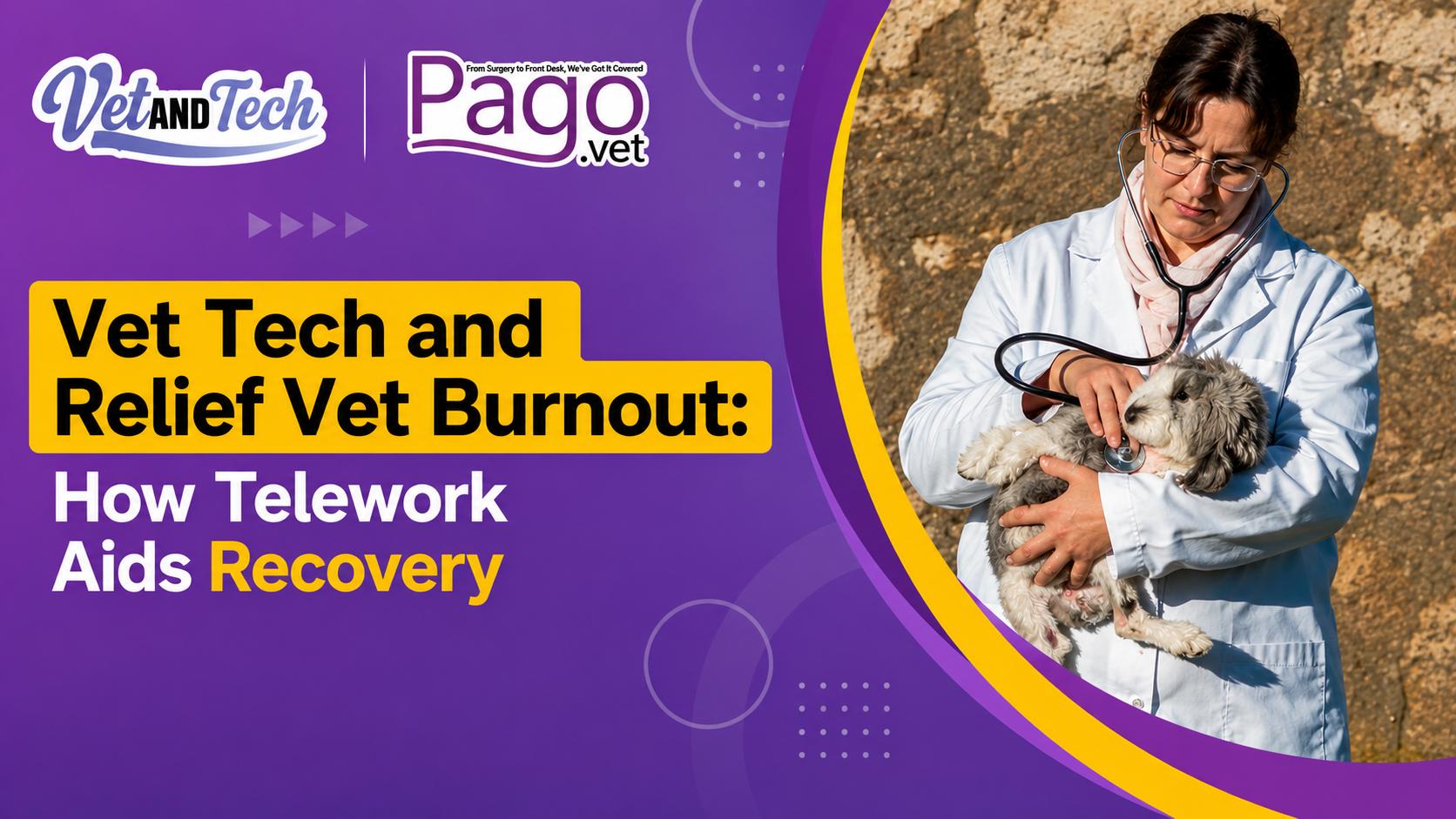
Vet tech burnout is one of the most overlooked problems in veterinary medicine. Technicians carry heavy caseloads, long shifts, and constant emotional strain, and over time that wears them down. Many reach a point where they need a healthier way to keep working without leaving the field.
Telework and the right technology have become two of the most practical answers. Flexible remote roles let technicians stay clinically involved while stepping back from the physical toll of the clinic floor, and modern tools take routine tasks off their plate. Together, they give vet techs a real path to recover and keep practicing.
Vet Tech Burnout: A Growing Concern
Vet tech burnout is the physical and emotional exhaustion technicians feel after long stretches of heavy caseloads, understaffing, and emotional strain. It is just as serious as burnout in veterinarians, and it often goes unspoken. Recognizing it early is the first step toward recovery.
Most veterinary technician burnout traces back to a few clear causes. Understaffing spreads each tech across too many patients, difficult cases pile up emotionally with little time to reset, and few paths for growth make the work feel relentless. These pressures build quietly until they affect both health and job satisfaction.
Telework gives technicians a real way out without leaving clinical work behind. Remote roles like teletriage, client follow-up, and documentation support let experienced techs stay involved while easing the physical toll of the clinic floor. Paired with better scheduling and team support, these options help technicians protect their wellbeing and stay in the profession.
How Remote Veterinary Work Stands Apart
Remote veterinary work eliminates the noise and constant hustle of a busy clinic. You still support patient care, but in a quieter and more manageable environment. Most of your time goes to guiding pet owners, managing cases online, and keeping clear records.
Remote vet tech roles provide a steady workload, allowing technicians to have more control over their day. They also enable experienced techs to keep working in a clinical setting without the physical strain of a busy clinic.
This balance makes remote roles attractive for those who want flexibility and a long-lasting career. Our platform, Pago, makes it easy to explore these flexible opportunities, letting professionals browse roles at their own pace. Moreover, the good news is that it is free for both job seekers and employers. Try now and kickstart your veterinary career today.
As remote work becomes increasingly popular, it's important to understand why relief vets are also moving toward such roles.
How Relief Vets Combat Burnout
Veterinary work can be quite intense with back-to-back emergencies and high emotional demands. Relief vets often confront these challenges directly in the clinics. However, many of them look for ways to keep a work-life balance and maintain their well-being.
To manage stress and prevent burnout, some relief vets explore flexible work arrangements, including remote roles. Digital shifts allow them to choose when and for how long to work. They avoid back-to-back emergencies and chaotic days.
Still curious? For more tips and expert advice on preventing burnout, check out our veterinary burnout webinar. Beyond managing stress, you will also explore practical strategies by our experts to streamline your daily workflow and protect your well-being.
This cuts down on emotional overload and allows for a healthier routine. With remote options, relief vets can work flexibly and reduce stress. For veterinarians considering this path more seriously, our guide on how to become a relief veterinarian walks through the licensing, credentialing, and practical steps involved.
Combating Vet Burnout With Technology
Technology reduces veterinary burnout by removing the repetitive tasks that drain time and focus. When routine work is automated, veterinarians and technicians get hours back each week and carry a lighter daily load. Used well, it protects both the team and the quality of care.
A few tools make the biggest difference. Voice-to-text scribe software turns spoken notes into finished records, cutting the documentation that keeps staff late. Telemedicine platforms handle remote consults and triage, while practice management systems automate reminders, scheduling, and follow-ups.
The point is not to replace clinical judgment but to guard it. When technology takes the routine load, veterinary teams can spend their energy on patients instead of paperwork. For many practices, this is one of the most direct ways to combat burnout across the whole team. For a full breakdown of roles, pay, and licensing requirements, see our guide to remote veterinary jobs.
Remote Veterinary Roles That Reduce Burnout
There are many remote opportunities for veterinarians and vet techs. These roles allow professionals to match their work with their skills and schedules. Here are the most common:
- Virtual Triage: Guide clients through early symptoms and next steps. This reduces clinic pressure and improves patient care.
- Digital Scribe or Documentation Support: Assist veterinarians by writing real-time medical notes. Save time and reduce paperwork. Perfect for technicians or individuals considering scribe positions.
- Teleconsultation Support: Collect patient information, prepare reports, and support online consultations. Serene and organized work.
- Remote Case Follow-up: Help clients track their progress, medications, and follow-up appointments. They can do all of this from home.
- Remote Case Review or Mentorship: Review complex cases, provide guidance to junior staff, and mentor new veterinarians virtually. This approach helps relief vets stay clinically engaged and share their expertise without the stress of constant in-clinic shifts.
Such roles allow the relief veterinarians to practice without heavy emotional strain. They remain clinically involved and enjoy predictable schedules.
Due to the growing popularity, many vets are now exploring remote veterinary relief jobs. Platforms that support relief veterinary work make it easier to search and apply for such flexible remote job opportunities.
While remote work helps vets manage stress and prevent burnout, it also provides other professional and personal benefits.
The Benefits of Remote Veterinary Roles
Remote veterinary jobs allow vets to approach cases thoughtfully and without distraction. This slower pace allows time to deepen clinical skills and refine decision-making.
Vets and vet techs can also:
- Explore new areas of veterinary care or specializations.
- Maintain a steady workflow while developing expertise.
- Balance professional growth with personal interests and hobbies.
By combining flexibility with focused learning, remote roles help vets grow professionally while supporting long-term career satisfaction. As a result, telework for veterinarians becomes a long-term strategy to prevent burnout.
Final Thoughts
Remote veterinary jobs are not just flexible but also the means to secure a real work-life balance in the veterinary field. Doctors and nurses in the vet world can provide excellent care to the pets while also attending to their wellness, hobbies, and family time.
Such jobs are a way for professionals to enjoy their work but not at the cost of their health or personal life. The acceptance of remote roles can be a great source of career satisfaction, skill development, and a much healthier, balanced lifestyle in the long run.
FAQs
What are Entry-Level Remote Veterinary Jobs?
Entry-level remote veterinary jobs involve communicating with clients, providing telehealth support, and handling administrative tasks. These positions allow newcomers to gain experience and benefit from flexible schedules.
How can a Veterinary Scribe help reduce burnout?
A veterinary scribe takes care of documentation and records. This allows vets and techs to concentrate on patient care. It lowers stress and stops overload. Platforms like Acorn.vet offer a voice-to-text feature to easily generate veterinary SOAP notes, along with other features.
How can you avoid burnout during work from home?
Set clear boundaries between work and personal time. Take regular breaks and maintain a dedicated workspace. Having a structured schedule and staying connected with colleagues also helps reduce stress.
Which strategy would help veterinarians avoid burnout?
Flexible schedules and lighter caseloads are helpful. Occasional remote relief shifts also lower stress. Mixing remote work with self-care, rest, and mindfulness keeps vets energized. This method helps prevent long-term burnout


