




Pet Travel for Veterinary Teams: Guide to Travel Readiness Beyond Health Certificates
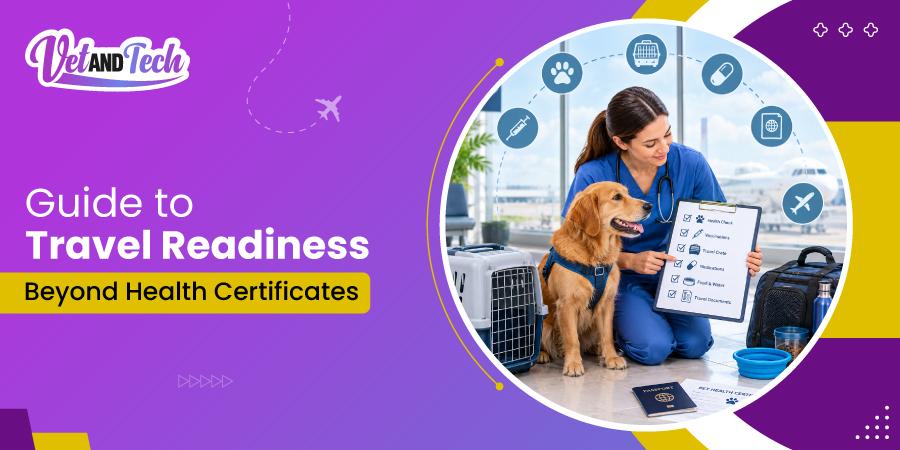
Pet travel is becoming a more common part of veterinary practice. Clients relocate for work, spend extended time abroad, or simply want to take their pets on vacation.
As a result, calls come into the front desk and pet travel appointments fill exam room schedules every week. Many owners treat the trip as one appointment: get the health certificate and go.
Veterinary teams know it is rarely that simple. The certificate is just one piece of the process. Destination rules, airline policies, vaccine and testing timelines, microchip details, and an honest assessment of whether a particular animal can handle the trip all need to line up.
This guide looks at pet travel for veterinary teams beyond the health certificate and explains how your practice can build a consistent, welfare-focused process around it.
What Is Pet Travel Readiness?
Pet travel readiness means the animal, paperwork, and travel plan are all prepared before departure. Many people think paperwork is the main part of preparing a pet for travel. In reality, it is only one piece of the process.
A health certificate can be completed correctly, yet the trip may still be delayed if the rabies vaccine was given outside the required timeframe, the microchip was implanted after vaccination when the destination requires microchipping first, or the airline does not allow a brachycephalic dog to travel in the cargo hold during hot weather.
From a veterinary perspective, pet travel readiness covers three main areas:
|
Area |
What to Check |
|
Regulatory compliance |
The pet meets the entry requirements of the destination and any transit points. |
|
Carrier compliance |
The pet, carrier, and required documents meet the airline or transport provider's rules. |
|
Patient suitability |
The pet is fit for the planned type and conditions of travel. |
Before Travel: What Should the Veterinary Team Check?
The most useful step a practice can take is gathering information early. Before scheduling the health certificate appointment, work through the following areas.
Destination Requirements
Pet travel rules vary significantly from country to country and sometimes from state to state or territory to territory. Some destinations only require a rabies vaccine and an endorsed health certificate. Others may require a rabies titer test, parasite treatments on specific dates, an import permit, or even quarantine.
Before advising a client, check the current requirements with an official source, such as the destination country's agriculture or veterinary authority. For pets leaving the United States, USDA APHIS Pet Travel is a good place to start. Rules can change, so advice from friends, social media, and online forums may be useful for background information but should not be your final source.
Vaccinations and Testing
When you first discuss travel with a client, check the rabies vaccination date, vaccine product, and how long the vaccination is valid. Then review any additional vaccines or tests required by the destination.
If a rabies titer test, such as FAVN, is required, check the testing timeline and any required waiting period. These steps can take months, so it is worth starting the conversation well before the planned departure date.
Required Documentation
Start by finding out exactly which documents the pet needs for the trip. Depending on the destination, these could include an international health certificate, a country-specific form, government endorsement, an import permit, or a domestic Certificate of Veterinary Inspection (CVI).
Also check who is authorized to complete each document. For example, some international health certificates require a USDA-accredited veterinarian.
Airline Requirements
Even if the pet owner has all the required paperwork, they can still miss their flight with their pet if airline-specific requirements are overlooked.
Airline travel requirements may cover health certificate timing, carrier size, breed restrictions, temperature limits, cabin or cargo travel, and weight limits. Different airlines may have different policies for the same route, so always check the airline's current requirements and, if possible, get them in writing.
Microchip Requirements
Many countries require an ISO-compliant microchip, typically a 15-digit microchip meeting ISO 11784/11785 standards. The veterinary team should confirm that the chip can be read, record the number accurately on every document, and verify the required order of microchip implantation and vaccination when the destination requires it.
A single transposed digit can create problems with travel documentation.
Travel Timeline
Start with the departure date and count backward. Many destinations require health certificates to be issued within a specific window before travel, but the exact timeframe varies by destination. Titer tests and treatments may need to happen weeks or months earlier.
Mapping out these dates at the beginning of the process can help prevent last-minute rushes.
Individual Pet Health and Welfare
Perform a genuine pet travel health assessment. Consider the animal's age, breed, brachycephalic anatomy, heart or respiratory conditions, chronic health issues, temperament, and previous travel experience.
Some pets may not be suitable for certain types of travel, and the veterinary team should be prepared to explain that to the owner when necessary.
Pet Travel Mistakes Veterinary Teams See Often
Veterinary teams often see the same travel problems come up. Many can be avoided when the process starts early and requirements are checked from the beginning.
Starting too late. Clients may call two weeks before departure for a destination that requires a titer test and a waiting period of several months.
Overlooking airline requirements. A certificate that satisfies the destination's requirements may not satisfy the airline's timing, carrier, breed, or other rules.
Treating the health certificate as the entire process. This is a common misconception about pet travel. The certificate is one part of the process, not the entire plan.
Relying on outdated or secondhand information. Rules change, and the veterinary team is often expected to provide the most current information.
Sequencing errors. Vaccinating before microchipping, or administering treatments outside required windows, can create delays or require parts of the process to be repeated.
Documentation errors. Mismatched microchip numbers, missing signatures, incorrect ink requirements, or outdated form versions can cause problems during endorsement or at the border.
Skipping the welfare conversation. Owners may not raise concerns about stress, anesthesia or sedation, or breed-related risks unless the veterinary team asks.
Pet Travel Readiness Checklist for Veterinary Teams
Use this pet travel checklist as a starting point and adapt it to your practice.
Intake
- Destination country, state, or territory and any transit stops
- Departure and return dates
- Airline or transport provider and cabin or cargo plan
- Species, breed, age, weight, and relevant health history
Requirements
- Official destination requirements verified and saved in the patient record
- Airline requirements confirmed directly
- Import permits or advance notifications identified
- Return travel requirements reviewed
Identification and Vaccines
- Microchip present, readable, and number verified
- Rabies vaccine date, product, and validity confirmed
- Required titers, tests, and parasite treatments scheduled with dates
Documentation
- Correct forms and versions identified
- Accredited veterinarian assigned where required
- Endorsement method and processing time planned
- Two-person review of all fields completed before submission
Client Communication
- Written timeline provided
- Originals and copies handed over
- Emergency contact and destination veterinary resources discussed
Beyond the Health Certificate
Documentation matters, and a properly completed veterinary health certificate is an essential part of pet travel. But it represents the end of a much longer process. Pet travel readiness also depends on early planning, clear communication with clients, careful patient assessment, and attention to the animal's welfare throughout the journey.
Veterinary teams that ask the right questions at the first inquiry, verify requirements using official sources, and build a repeatable workflow are better positioned to prevent delays, rejected documents, and stressful travel days for pets and owners.
The question to keep returning to is simple: What does this team need to know and do to make this pet travel ready?
Learn More: Health Certificates Are Not Enough

If your team wants to learn more about pet travel preparation, Vet and Tech is hosting the webinar "Health Certificates Are Not Enough: What Veterinary Teams Need to Know About Pet Travel Readiness."
Date: November 11, 2026
Time: 8:00 PM (US Eastern Time)
Category: Internal Medicine
CE Credits: 1
RACE Approved: Yes
Instructor: Dr. Nelva Bryant
The webinar will cover why health certificates alone may not be enough for successful pet travel. Veterinary teams will learn key steps to help ensure pets are prepared for safe and compliant travel, including planning, client communication, and patient considerations.
Register for the webinar on Vet and Tech.
FAQs
When should a veterinary team begin preparing for international pet travel?
A veterinary team should start as soon as a client mentions the trip, ideally three to six months before departure. Titer tests such as FAVN, waiting periods, and import permits can take months, depending on the destination.
Who can issue a health certificate for international pet travel in the US?
In the United States, many international health certificates must be completed by a USDA-accredited veterinarian and then endorsed by the appropriate government office. Requirements vary by destination, so confirm who is authorized to complete the certificate and how endorsement must be submitted.
How long is a pet travel health certificate valid for?
It depends on the destination and the airline. Many certificates must be issued within a limited period before arrival, sometimes 10 days or less, but requirements vary. Domestic Certificates of Veterinary Inspection may also have different validity periods. Always confirm the exact timing requirements for each journey.
Should veterinarians sedate pets for air travel?
Sedation is generally discouraged for air travel because of potential respiratory and cardiovascular risks, particularly in brachycephalic and older animals. Any decision should be based on an individual assessment, and alternatives such as carrier training and behavioral preparation should be considered when appropriate.
What should a veterinary team do if a pet is not fit for travel?
If a pet is not fit for travel, the veterinary team should document the assessment, explain the concerns to the owner, and discuss alternatives such as postponing travel, treating an underlying condition, arranging boarding, or considering another travel option. Protecting patient welfare is part of the veterinary role in pet travel, even when it means advising against a trip.

%20VAT%20Blog%20-%20Remote%20Veterinary%20Jobs%20Roles%2C%20Pay%20%26%20How%20to%20Find%20Them-thumbnail-1790256372.webp&w=3840&q=75)


