
Common Mistakes in Pet Travel Preparation: What Veterinary Teams Need to Know
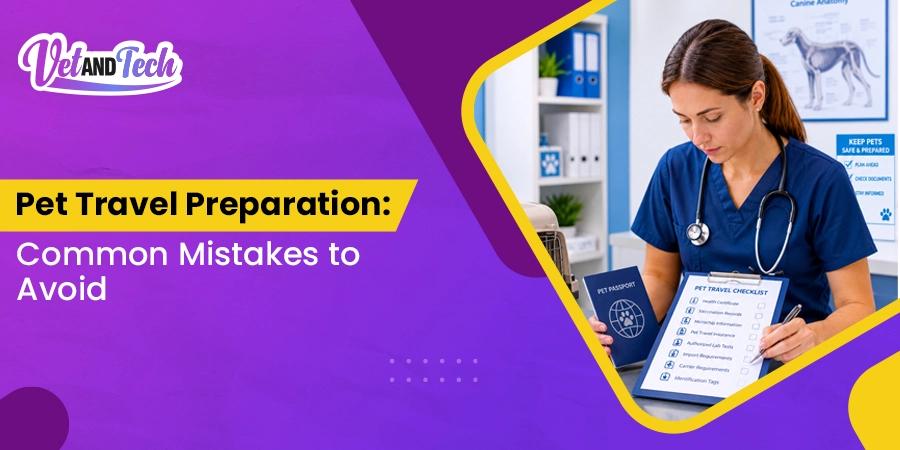
Pet travel requests are showing up at the front desk more often, and most clinics are handling them one appointment at a time with no shared process. Each destination, airline, and transport method adds its own layer of requirements, and the pet travel veterinarian is often the last to learn what a client actually needs. The gaps that result are predictable, and they tend to surface at the worst possible moment.
Here are four mistakes that come up repeatedly in veterinary pet travel preparation.
Mistake #1: Treating the Health Certificate as the Finish Line
Once the health certificate is signed and handed over, it can feel like the case is closed. But a completed document doesn't tell you whether the patient is actually ready for the trip. A certificate can satisfy one requirement and still leave the animal, the client, and your practice exposed at departure, in transit, or on arrival.
Teams that stop at the paperwork often find this out the hard way when the options are already limited. If your internal definition of "done" is a signature, it's worth asking what that definition leaves out. Our CVI Guide covers the certificate itself. The bigger question is everything around it.
Mistake #2: Starting Pet Travel Preparation Too Late in the Client Relationship
Too often, the first travel conversation happens when a client calls with the departure date already booked. By then, the timeline is tight, the exam is rushed, and the veterinary team is reacting instead of advising.
A late start shapes the whole case. Anything that depends on lead times gets harder to meet, appointments get squeezed, and clients who never heard about documentation windows may assume the clinic caused the delay. Your practice absorbs that frustration even when the problem started well before the phone rang.
Learn how to avoid these mistakes - Register for the free Nov 11 webinar
Mistake #3: Gaps in Team Confidence and Inconsistent Workflows
Ask three people on the same team how they handle an international travel request, and you may hear three different answers. One technician knows the process cold. A newer associate isn't sure where to start. The front desk quotes a timeline the doctor then has to walk back.
This is rarely a competence problem. It's what happens when there's no shared approach and the knowledge lives in a few individuals rather than in the practice. When your most confident person is out, service quality goes with them. For a broader look at how practices can build a consistent approach, see our Pet Travel Guide.
Mistake #4: Overlooking Welfare-Centered Assessment in the Pet Travel Health Exam
A typical pet travel health exam focuses on what the destination requires: vaccines, tests, and documentation. Those matter. But they aren't the complete clinical picture.
Travel is a physiological and behavioral event. Animals vary widely in how they handle confinement, temperature changes, and prolonged stress. A patient can meet every regulatory requirement and still be a poor candidate for a particular journey. When the exam focuses only on compliance, welfare concerns can go unaddressed until they become urgent.
What These Mistakes Have in Common
None of these problems start with the document. They come down to timing, team alignment, and clinical judgment. A better template or a longer checklist rarely fixes them. The practices that handle pet travel well treat it as a defined service with a shared process, not a string of one-off exceptions.
That shift is exactly what the upcoming webinar is about, and it's why the title says what it does: health certificates are not enough.
Ready to Close the Gaps?
Want the full framework? Join our free RACE-approved CE webinar on November 11: Health Certificates Are Not Enough: What Veterinary Teams Need to Know About Pet Travel Readiness.